


Heat Pump Repair & Maintenance: Expert Tips to Boost Efficiency
Your heat pump does the heavy lifting to keep your home comfortable all year — moving heat in and out so you get cooling in summer and heating in winter. Regular repair and maintenance keep that process efficient and reliable, help prevent unexpected breakdowns, and lower energy bills. This guide walks through why staying proactive matters, what routine upkeep you can do safely, when to call a licensed technician, and what to expect from a professional tune-up. Since 2012, First Choice Heating & Air has served Salt Lake and Utah Counties with full climate-control services — AC, heat pumps, furnaces, mini-splits, commercial HVAC, and smart thermostats. Read on for seasonal schedules, common failure signs, safe DIY checks, the key tests technicians perform, and practical tips for Utah homeowners to keep a heat pump running smoothly year‑round.
When Should You Schedule Heat Pump Maintenance?
Plan maintenance on a seasonal rhythm so your system’s ready for its heaviest work. Spring checks get you ready for cooling season; fall checks make sure heating and defrost functions are working before cold weather hits — an important consideration in Utah’s changing seasons. A yearly professional inspection is critical because technicians use tools and tests homeowners shouldn’t attempt, like checking refrigerant charge and electrical safety. Setting a predictable schedule also cuts the risk of peak‑season delays and lets small issues be fixed early, which saves money and hassle later. Below are the recommended seasonal visit times and why an annual professional tune‑up matters.
Recommended Seasonal Service Times for Heat Pumps
Treat each season differently because a heat pump faces different stresses throughout the year. In spring, focus on cooling readiness: clean coils and the condenser, inspect fans, and verify refrigerant levels so the unit can meet summer demand efficiently. In fall, check heating readiness: verify the reversing valve and defrost cycle, test any auxiliary heat, and confirm thermostat calibration for winter comfort. Scheduling these inspections just before the heavy-use months helps you avoid technician backlogs and unexpected outages. For Salt Lake and Utah Counties, aim for spring visits in March–April and fall visits in September–October to match local climate shifts.
Why Annual Professional Maintenance Matters
A yearly professional tune‑up catches safety and performance issues that DIY checks won’t. Licensed technicians inspect electrical connections, measure compressor amperage, verify refrigerant pressures, and test defrost cycles — all tasks that require training and specialized tools. Professional service also protects warranties, ensures components meet manufacturer specs, and spots developing problems like refrigerant leaks, worn capacitors, or failing motors before they turn into emergency replacements. Pairing simple homeowner upkeep with annual licensed inspections gives you the best outcome for reliability and long equipment life.
Common Heat Pump Problems and How to Spot Them
Most heat pump failures start with a few common symptoms homeowners can notice early. Look for no heating or cooling, odd noises, a frozen outdoor coil, short cycling, or signs of refrigerant leaks. Quick initial checks — filter condition, thermostat mode, breaker status, and whether the outdoor unit is running — can rule out simple fixes and tell you if you need a technician. Below are the most common issues, easy recognition tips, and first‑step homeowner actions to help you prioritize repairs or maintenance.
- No heat or no cooling: Start with the thermostat mode and batteries, check breakers, and confirm the outdoor unit is running.
- Unusual loud noises: Try to identify whether the sound comes from the fan, compressor, or refrigerant lines. Stop using the unit if you smell burning or hear clanking.
- Freezing outdoor coil: Look for ice on the outdoor unit while it runs in heating mode — often a sign of airflow restriction or refrigerant trouble.
These simple checks help you decide whether the issue is something you can fix fast or if it’s time to call a licensed pro for diagnostics.
How to Recognize No‑Heat Problems and Loud Noises
If your heat pump isn’t producing heat or is unusually noisy, follow a calm, safe checklist to narrow the cause. For no heat: confirm the thermostat is in heat mode, make sure the outdoor unit is running, check breakers and switches, and look at the air filter — a heavy clog can make the system seem weak. For loud noises like grinding, clanking, or loud humming, the problem could be a damaged fan blade, a failing motor bearing, or a compressor issue. If you smell burning or see sparks, turn the system off and call a professional right away. These basic checks reduce downtime and prevent unsafe DIY attempts on electrical or refrigerant systems.
What Causes Freezing and Short Cycling?
Freezing and short cycling have different root causes but similar symptoms. Freezing usually comes from restricted airflow, low refrigerant, or defrost failures; blocked coils or clogged filters reduce heat transfer and let moisture freeze on the coil. Short cycling — frequent on/off cycles — shortens compressor life and raises energy bills. Causes include oversized equipment, thermostat placement or calibration problems, or electrical/refrigerant faults. Replacing filters and clearing debris can help temporarily, but refrigerant or defrost issues need a professional diagnosis and repair to restore reliable operation.
DIY Heat Pump Maintenance Homeowners Can Safely Do
There are several safe, high‑impact tasks homeowners can do to keep airflow and basic performance in check. Regular tasks include replacing or cleaning filters, keeping vegetation and debris away from the outdoor unit, checking thermostat programming and batteries, and visually inspecting for obvious damage or ice. These chores require no special tools and prevent many common problems. The table below lays out common tasks and filter types with recommended frequency, difficulty, and safety notes so you know what you can handle and when to call a technician.
| Task or Item | Frequency / Difficulty / Safety | Benefit |
|---|---|---|
| Disposable pleated filters | Replace every 1–3 months / Easy / Turn system off before handling | Maintains airflow and improves indoor air quality |
| Reusable washable filters | Clean monthly / Moderate / Ensure fully dry before reinstalling | Cost‑effective and keeps airflow steady when maintained |
| Outdoor unit clearance | Inspect monthly / Easy / Keep power switch off when working near unit | Prevents airflow restriction and debris damage |
How to Clean and Replace Filters Safely
Filter care gives you big benefits for little effort. Always switch off power at the thermostat and the service switch or breaker before opening panels. Remove the filter and check for dust, pet hair, or blockages. Disposable pleated filters are replaced; washable filters should be vacuumed gently, rinsed with low‑pressure water, and completely dried before reinstalling. Replace disposable filters every 1–3 months depending on household conditions; washable filters typically need monthly attention during heavy use. Clean filters improve airflow, reduce the risk of coil freezing and short cycling, and work alongside professional inspections that focus on refrigerant and electrical systems. If problems persist after clean filters, that’s a sign to call a technician.
How to Clear Debris and Care for Outdoor Units
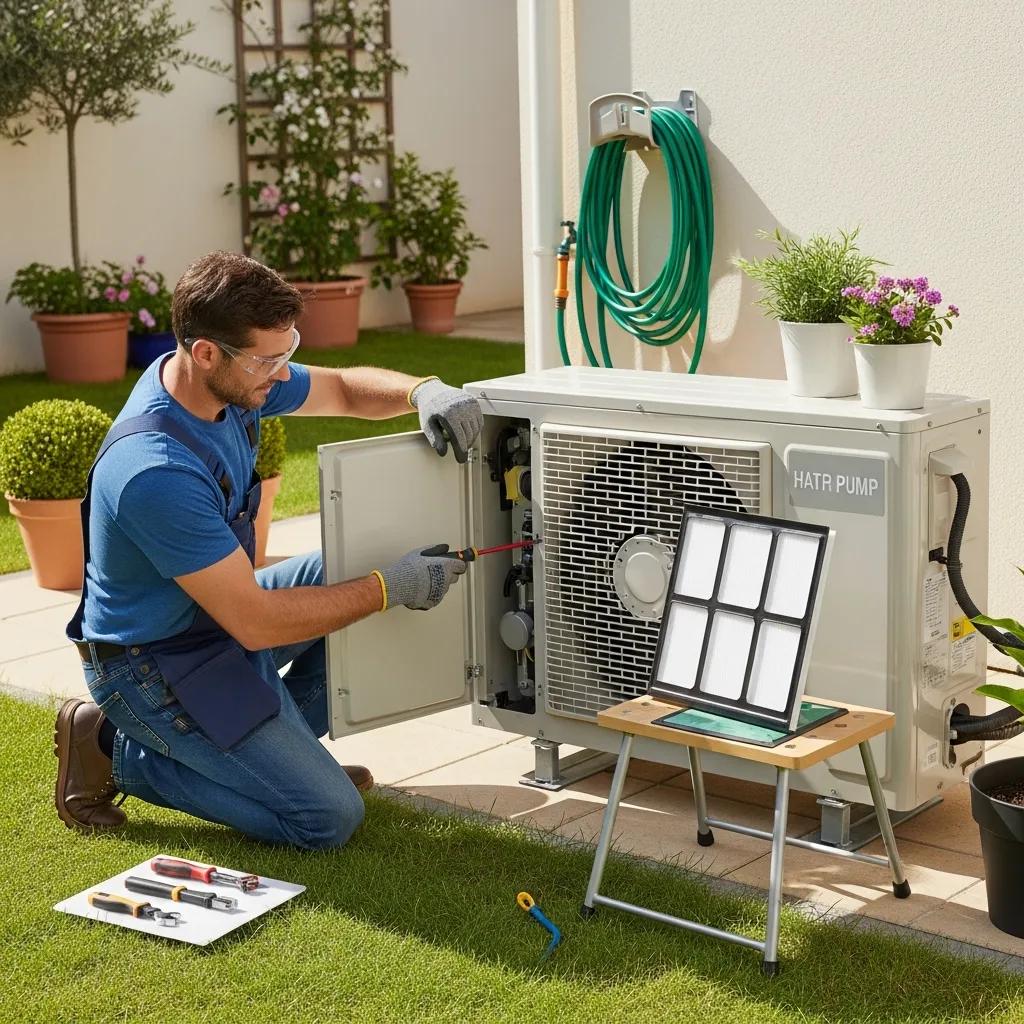
Keeping the outdoor unit free of leaves, grass clippings, and debris helps the system run with less strain. Turn off the heat pump at the service switch before you approach, remove loose debris by hand or with a soft brush, and avoid bending the fins. Maintain at least 24 inches of clearance around the sides and about 48 inches above the unit when possible for proper airflow. Don’t use sharp tools or high‑pressure washers that can damage coils; if fins are bent, ask a technician to straighten them or service the coil to avoid harming refrigerant lines. Regular debris control lowers corrosion risk and helps the system run cooler. If you still notice noise, damage, or performance issues after cleaning, schedule professional diagnostics.
What Professional Heat Pump Repair and Maintenance Covers
Professional service is a thorough, methodical process that restores design performance and finds problems before they grow. Licensed technicians will inspect electrical connections, measure compressor and fan motor currents, verify refrigerant charge and look for leaks, clean coils, test defrost and reversing valve operation, and run performance checks to confirm proper airflow and temperature differentials. That comprehensive approach improves efficiency, prevents unexpected failures, and documents system health so you can plan repairs or upgrades with confidence.
| Component | Service Performed | Expected Outcome / Benefit |
|---|---|---|
| Indoor coil and outdoor coil | Clean and inspect for corrosion and damage | Restores heat transfer and lowers energy use |
| Refrigerant system | Measure pressures and detect leaks | Correct charge for efficient operation and longer compressor life |
| Electrical system | Tighten connections and test capacitors/contactors | Reduces risk of electrical failure and improves safety |
| Defrost controls and reversing valve | Test cycle function and timing | Reliable heating in cold weather and prevention of freezing |
Key Components Checked During a Tune‑Up
During a tune‑up, technicians focus on parts that affect safety, efficiency, and reliability. They clean coils to restore heat transfer, verify refrigerant levels and look for leaks, test compressor and fan motor amperage for electrical or bearing stress, and inspect control and safety circuits. They also check the reversing valve and defrost controls for heating reliability, inspect belts and lubrication where applicable, and measure airflow across coils to ensure proper distribution. Addressing these items early reduces operating costs and extends equipment life by stopping small issues from becoming major repairs.
How First Choice Heating & Air’s Maintenance Plan Helps
A maintenance plan gives you scheduled professional attention and tangible homeowner benefits. First Choice Heating & Air’s plan includes two seasonal inspection visits per year, priority service for members, and a 10% discount on repairs — features that cut emergency costs and shorten response times for Salt Lake and Utah County homeowners. Those benefits, combined with regular homeowner tasks like filter upkeep and outdoor clearance, mean fewer surprises and a clearer path to long‑term energy savings and equipment longevity. For many homes, pairing simple preventative care with scheduled professional tune‑ups is the most reliable, cost‑effective approach.
Ways to Improve Heat Pump Efficiency and Lower Energy Costs
Boosting heat pump efficiency comes from good maintenance, correct settings, and smart equipment choices. Understanding efficiency ratings like SEER2 and HSPF helps you compare upgrades. Higher SEER2 and HSPF numbers mean better seasonal cooling and heating performance and lower expected energy use. Smart thermostats, zoning, and proper system sizing also cut runtime and avoid inefficient modes. The table below summarizes common upgrades and settings, how they affect efficiency, and typical benefits so you can prioritize investments that match your expected savings.
| Upgrade or Setting | Effect on Efficiency | Expected Savings / Benefit |
|---|---|---|
| SEER2-rated equipment upgrade | Improves seasonal cooling efficiency | Lower cooling energy use and reduced bills |
| Higher HSPF heat pump models | Improves heating-season performance | Better heat output at lower temperatures |
| Smart thermostat with heat pump mode | Optimizes scheduling and adaptive control | Reduced runtime and more consistent comfort |
What SEER2 and HSPF Mean — and Why They Matter
SEER2 and HSPF are standard ratings that translate seasonal cooling and heating performance into numbers you can compare. SEER2 measures seasonal cooling efficiency (output divided by electrical input) and HSPF measures seasonal heating efficiency. Higher ratings typically mean lower energy use and better cost savings over time. Recent testing updates made SEER2 more accurate versus older SEER numbers, so use the updated ratings when comparing new equipment. Pairing higher‑rated equipment with regular maintenance and correct sizing gives the best long‑term savings.
How Smart Thermostats and Settings Help
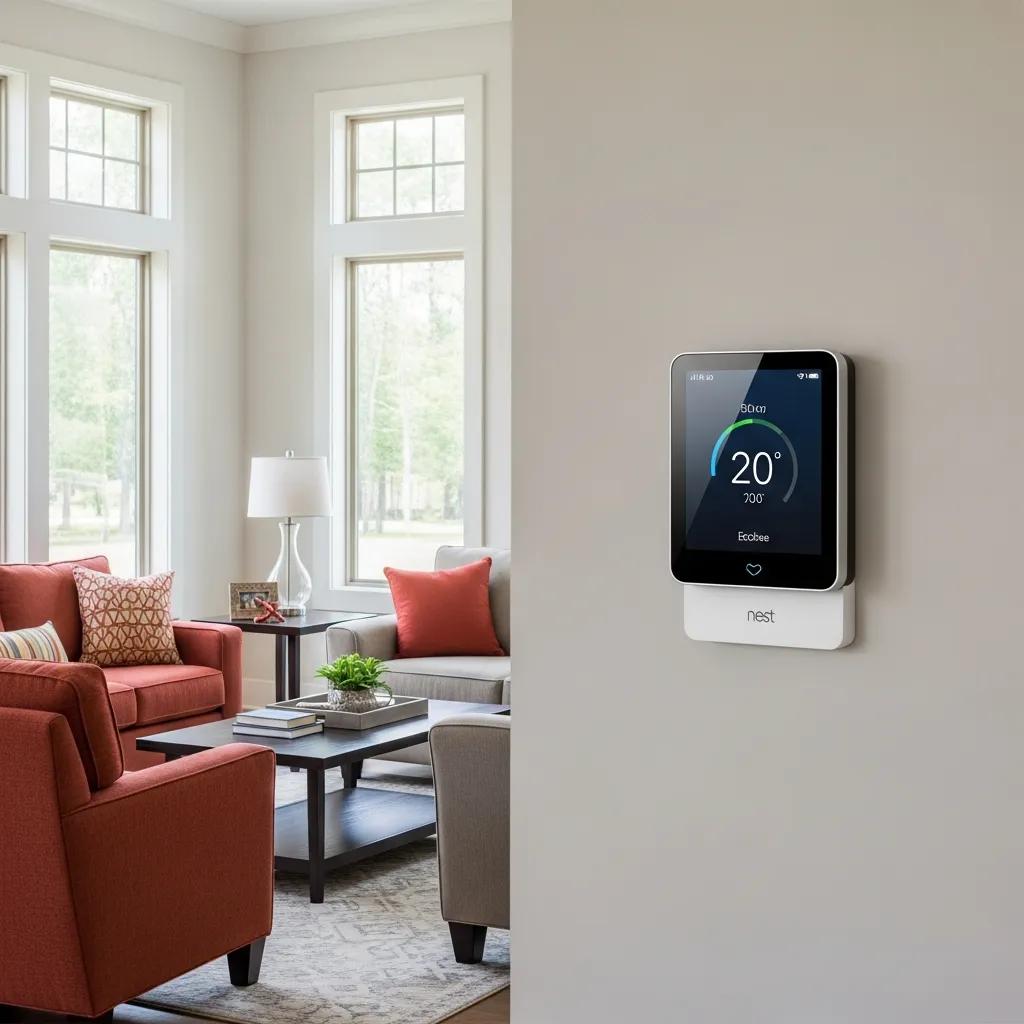
Smart thermostats boost heat pump performance by adapting schedules, offering remote control, and using heat‑pump‑specific strategies that cut unnecessary runtime. Use modest setback strategies during unoccupied periods, avoid big temperature swings that trigger auxiliary heat, and enable learning/adaptive modes when available to smooth control. Zoning and multi‑stage control reduce short cycling by sending conditioned air only where it’s needed. The right thermostat setup, combined with routine professional tune‑ups, helps the system run efficiently and keeps comfort consistent.
When to Call a Professional for Heat Pump Repair
Certain signs need immediate pro attention to avoid safety risks or costly damage. Emergencies include smoke or burning smells, electrical sparks or repeated breaker trips, visible refrigerant leaks, or a total system failure with indoor temperatures dropping quickly — shut the system off and call a licensed technician. Non‑emergency but urgent issues include persistent inefficiency, frequent short cycling, or recurring ice that won’t clear with basic precautions. The checklist below helps you decide what’s an emergency, what needs prompt scheduling, and what can wait for a routine service call.
- Emergency checklist: Turn the system off and call a licensed technician for smoke or burning smells, electrical sparking, refrigerant hissing, or rapid loss of indoor heat.
- High‑priority (non‑emergency): Schedule service for persistent short cycling, repeated breaker trips without visible sparks, or continuous defrost failures.
- Routine concerns: Book a tune‑up if performance slowly declines, energy bills rise without changes in use, or noisy operation continues after cleaning.
Emergency Signs You Shouldn’t Ignore
Emergency signs need immediate action to protect people and equipment: smoke, burning smells, electrical arcing, visible refrigerant leaks, or total system failure during extreme weather. If you see smoke or smell burning, shut the system off at the service switch and main breaker if it’s safe, evacuate if needed, and call a licensed technician right away — these symptoms often point to electrical failure or motor burnout. Hissing refrigerant leaks (sometimes with oily residue) or visible sparks also require immediate shutdown and service to prevent further hazard. Fast response limits repair complexity and lowers the chance of replacing major components.
How First Choice Heating & Air Handles Heat Pump Repairs in Salt Lake & Utah Counties
Local homeowners get faster response and region‑specific know‑how from our licensed technicians. First Choice Heating & Air provides insured, licensed service across Salt Lake and Utah Counties, plus financing options for larger repairs and a maintenance plan that includes priority service and a 10% repair discount for members. Local experience means our techs know the climate stresses common to the area and can make targeted, practical repair recommendations. Whether it’s an emergency or scheduled work, you’ll get a clear evaluation, transparent options, and help balancing immediate comfort with long‑term energy and cost planning.
This guide covered safe DIY checks, professional tune‑up details, component breakdowns, and efficiency upgrade options so you can keep your heat pump performing reliably and avoid expensive failures. Ready to schedule professional maintenance or learn about our maintenance plan (two inspections a year, priority service, and 10% off repairs)? Contact First Choice Heating & Air by phone to arrange service or get plan and financing details.
Conclusion
Routine maintenance and timely repairs are the best way to protect comfort, lower energy bills, and extend the life of your heat pump. Understanding the common problems and doing simple, safe upkeep will keep your system running well — and when you need professional help, First Choice Heating & Air is here to support homeowners across Salt Lake and Utah Counties. Schedule a maintenance visit to keep your system running smoothly and efficiently.