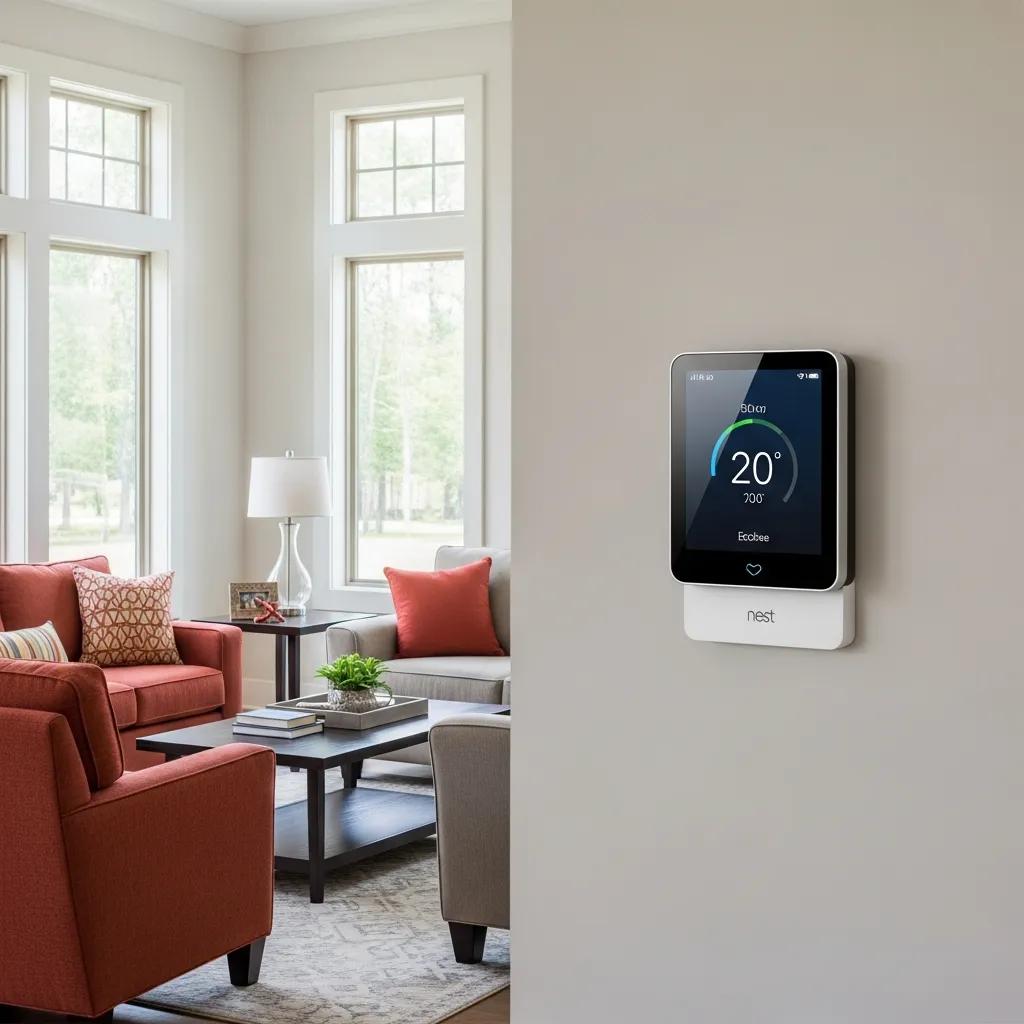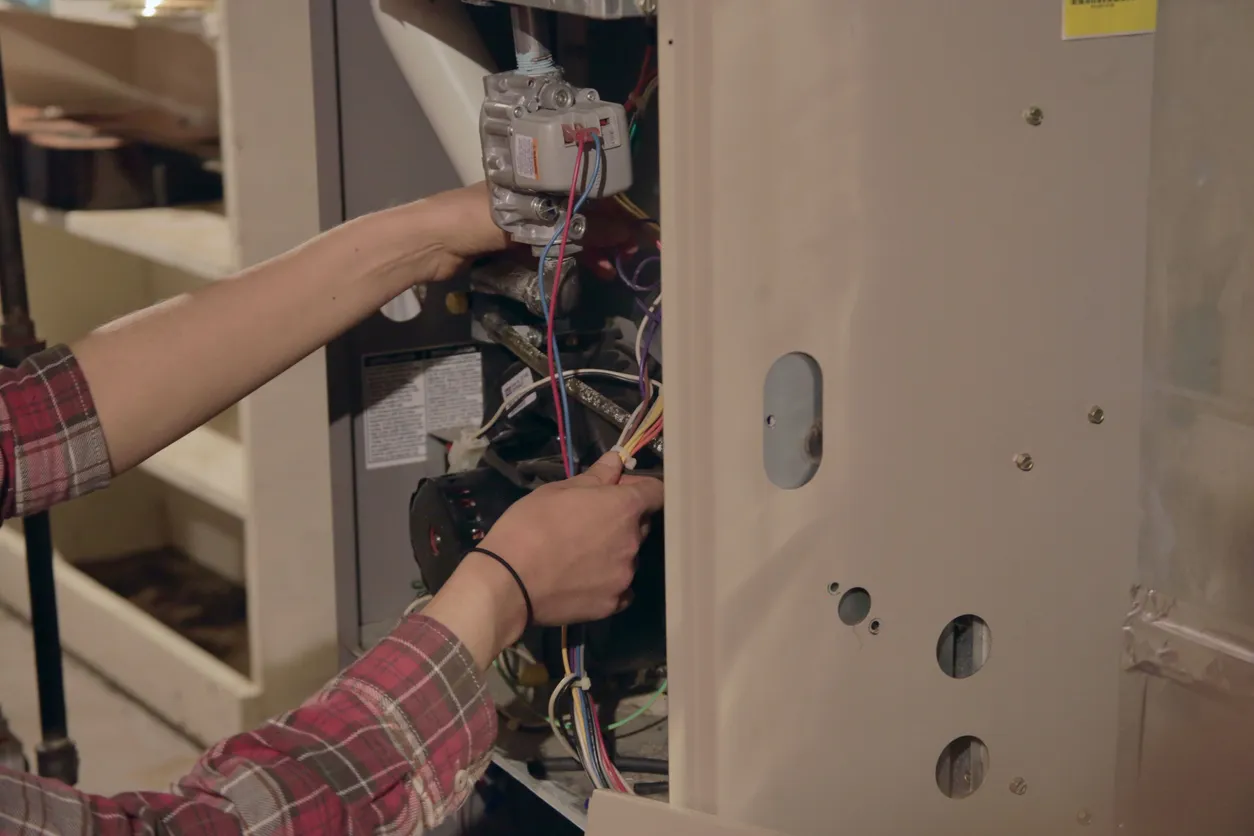




Heat Pumps vs. Furnaces: Which Heating System Is Right for Your Home in Utah?
Picking between a heat pump and a furnace means knowing how each system moves heat, what fuel they use, and how they perform in Utah’s changing seasons. This guide breaks down how they work, key efficiency metrics like COP and AFUE, upfront versus operating costs, indoor air quality impacts, and hybrid (dual fuel) options—so Salt Lake and Utah County homeowners can choose with confidence. We give practical checklists and side-by-side comparisons that account for local winter lows, utility prices, ductwork condition, and total cost of ownership. Since 2012, First Choice Heating & Air has delivered complete climate control solutions—AC, heat pump and furnace installations, smart thermostats, mini-splits, and commercial HVAC—focused on better air quality and energy savings. Call us to discuss your comfort needs.
Below you’ll find clear explanations of how heat pumps and furnaces work, which types suit Utah homes, a side-by-side cost comparison with rebate and financing context, how efficiency ratings translate to real-world performance here, IAQ and comfort tradeoffs, whether a dual fuel system might be right for you, why local service matters, and a step-by-step checklist to help you decide and schedule a consultation.
What Are Heat Pumps and How Do They Work?
A heat pump moves heat from one place to another using a refrigerant loop, compressor, and coils—giving you both heating and cooling in one system. Instead of burning fuel, it transfers thermal energy, so it typically delivers several times more heat than the electricity it uses (that’s measured as coefficient of performance, or COP). Modern cold‑climate heat pumps keep useful COP levels at lower outdoor temperatures, making them a practical option across much of Utah when they’re sized correctly and your home has adequate insulation. These basics set the stage for the heat pump services types and real-world benefits we’ll cover next.
What Types of Heat Pumps Are Available for Utah Homes?
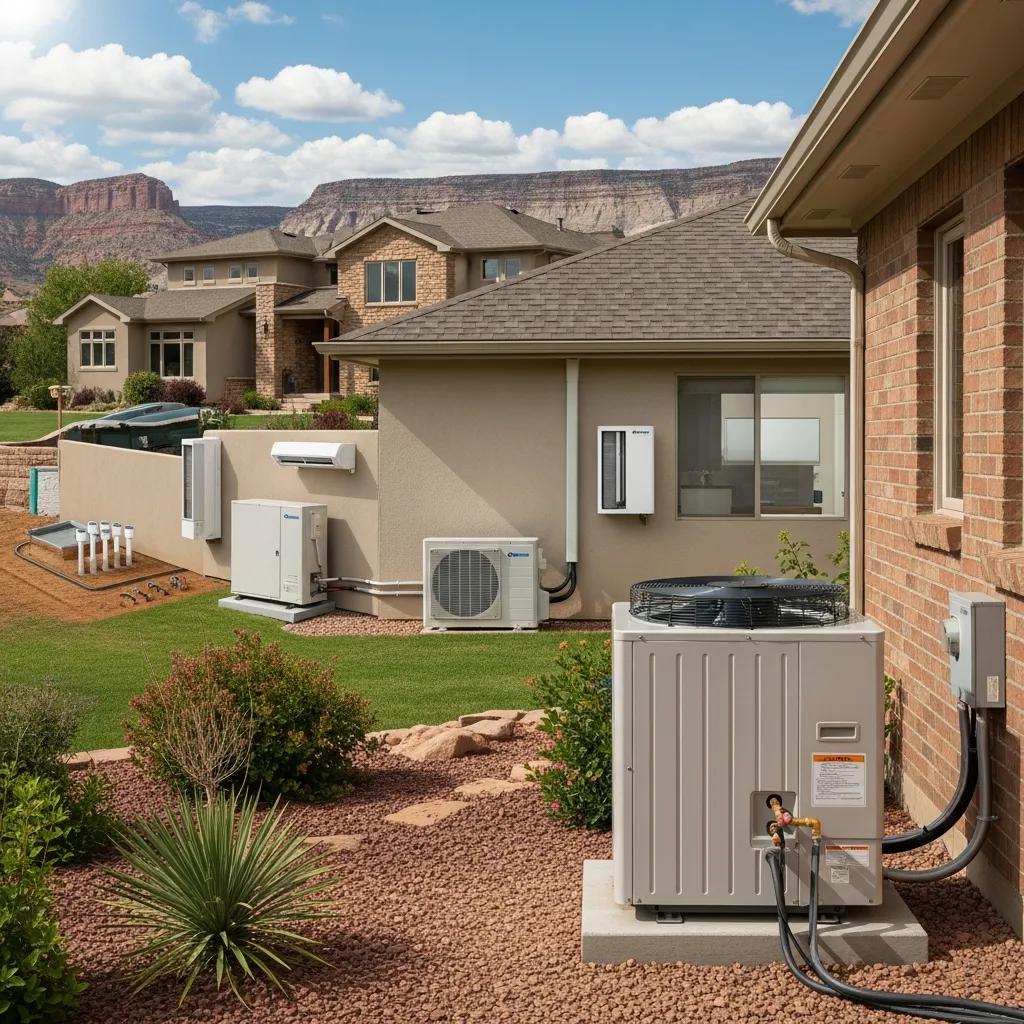
Utah homeowners have several heat pump options depending on home layout and goals. Air‑source heat pumps pair well with existing ducted systems for year‑round comfort. Ductless mini‑splits give room‑by‑room control—ideal for older homes or additions without ducts. Geothermal systems offer top-tier efficiency by exchanging heat with the ground, but they require a larger upfront investment and suitable site conditions. Your best choice depends on ductwork, budget, desired efficiency, and installation constraints; later we compare these against furnace options so you can weigh tradeoffs.
What Are the Key Benefits and Drawbacks of Heat Pumps?
Heat pumps provide both heating and cooling in one package, avoid onsite combustion (when electric), and often qualify for rebates or tax credits. On the flip side, cold‑climate models cost more to buy and install, and efficiency can drop at extreme lows unless you have supplemental heat. Lifespan is comparable to furnaces when systems are well maintained. Understanding these advantages and limits helps you decide where a heat pump makes sense for your Utah home.
What Are Furnaces and How Do They Operate?
Furnaces create heat by burning fuel (natural gas or propane) or using electric resistance elements, then push warmed air through your ductwork with a blower and heat exchanger. They’re simple and reliable: combustion or electric heat produces thermal energy that’s sent through the home. In places with extended subfreezing temperatures, gas furnaces deliver steady high-temperature heat without relying on outdoor conditions—one reason they remain common in many Utah homes. That operational difference helps explain where furnaces still shine locally.
What Types of Furnaces Are Best Suited for Utah’s Climate?
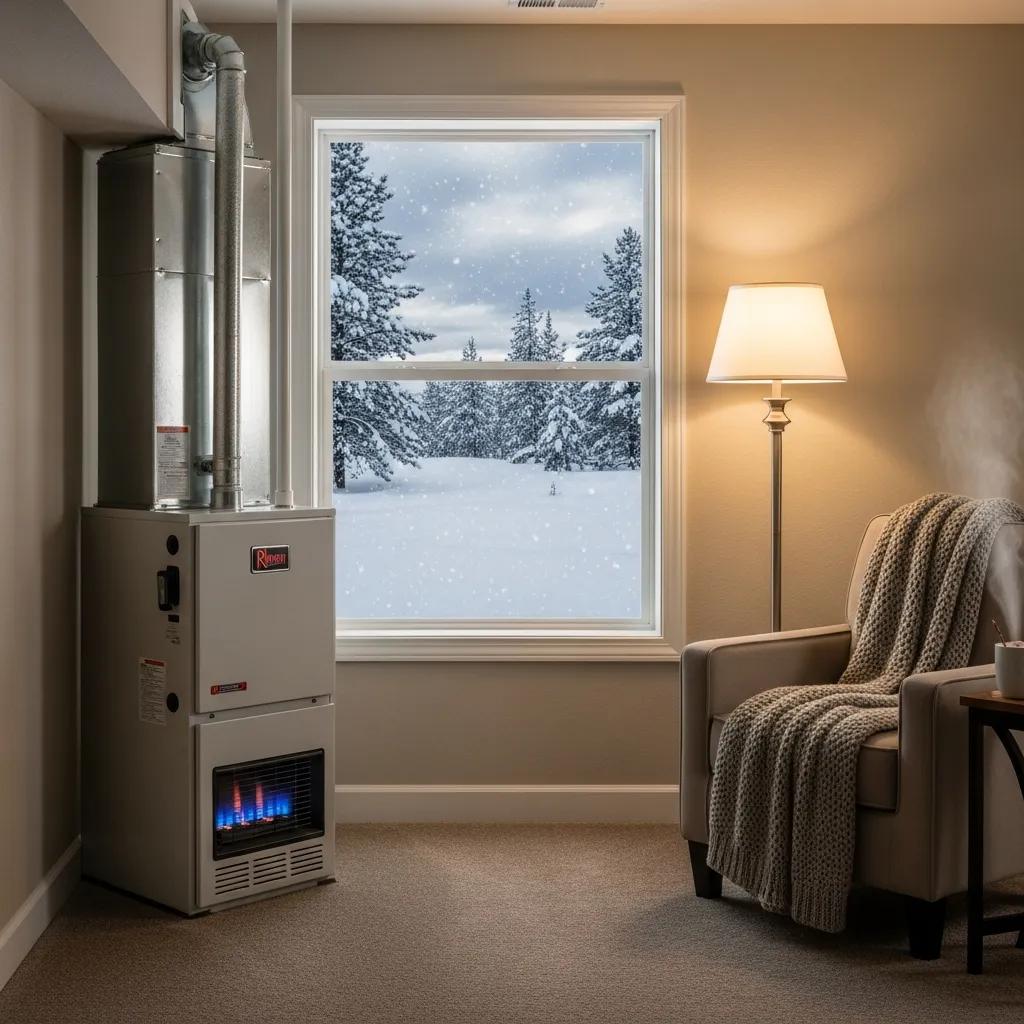
Natural gas furnaces are popular in Utah because they deliver strong heat output and can be cost‑competitive where gas service is available. High‑efficiency condensing furnaces (higher AFUE) recover more heat from combustion and pay off during cold months, though they cost more up front. Propane serves homes without gas service, and electric furnaces are simpler to install but usually more expensive to run depending on electricity prices. Choosing fuel type and AFUE comes down to availability, long‑term energy costs, and how warm you want your home during Utah’s cold snaps.
What Are the Advantages and Disadvantages of Furnaces?
Furnaces provide dependable warmth in extreme cold and often have lower initial costs than cold‑capable heat pumps. They work seamlessly with existing duct systems. Drawbacks include combustion‑related indoor air quality risks if venting or maintenance are neglected, no built‑in cooling (you’ll need a separate AC), and emissions tied to the chosen fuel. Regular tasks—burner cleaning, heat‑exchanger checks, and filter changes—keep them safe and efficient. These points feed into the cost and efficiency comparisons that follow, plus how maintenance plans affect ownership.
Which Heating System Is More Energy Efficient: Heat Pump or Furnace?
Efficiency comes down to the metric you use. Heat pumps are rated by COP and by seasonal metrics like HSPF2/SEER2; furnaces use AFUE. A heat pump with COP above 2.5 or strong HSPF2 values will move more heat per unit of electricity than a furnace converts from fuel, making heat pumps more efficient in milder conditions. That said, furnaces with 95%–98% AFUE convert nearly all fuel energy to heat and perform well when outdoor temperatures are very low. Translating these ratings into bill savings for Utah requires comparing them against local energy prices and your home’s envelope.
This table clarifies common efficiency metrics and their practical ranges.
| Metric | System | Typical Range / Interpretation |
|---|---|---|
| COP | Heat pump | 1.5–4.0 depending on outdoor temp; higher = more efficient |
| HSPF2 / SEER2 | Heat pump (seasonal) | HSPF2 varies; higher HSPF2 indicates better heating‑season efficiency |
| AFUE | Furnace | 80%–98%; higher AFUE indicates more fuel converted to heat |
| Seasonal performance | All | Ratings predict real‑world energy use across a season |
Overall, heat pumps can be more efficient across a season in many Utah locations, while high‑AFUE furnaces remain advantageous during extreme cold.
How Do SEER2, AFUE, and COP Ratings Affect Heating Performance?
SEER2 and HSPF2 measure seasonal performance for heat pumps; COP is an instantaneous ratio of heat produced to electricity used. AFUE measures how effectively a furnace turns fuel into heat over time. For example, a COP of 3 means three units of heat per unit of electricity. A 95% AFUE furnace converts 95% of fuel energy into usable heat. To turn these numbers into dollar estimates you must convert energy units to local utility rates—something a professional quote will include for accurate comparisons in Utah.
How Does Utah’s Climate Impact Heat Pump and Furnace Efficiency?
Utah’s cold, dry winters reduce heat pump COP as temperatures drop, which is why supplemental heat or hybrid strategies are popular in colder zones. In neighborhoods with milder winter lows, modern cold‑climate heat pumps often maintain enough COP to beat gas furnaces on annual bills—especially with good insulation and smart controls. Elevation and extreme overnight lows also affect performance, so a professional load calculation and correct sizing are essential to avoid underperformance. These climate factors make dual fuel systems a sensible option for many Utah homeowners.
How Do Heat Pumps and Furnaces Affect Indoor Air Quality and Home Comfort?
Heating systems influence indoor air quality through ventilation, filtration, and humidity control. Electric heat pumps remove on‑site combustion, cutting risks like nitrogen dioxide and combustion particulates. They also help manage humidity during cooling seasons and—when paired with the right controls—support balanced year‑round humidity. Furnaces deliver strong warm‑air flow but require proper venting and regular checks to prevent combustion byproduct infiltration, which matters in tightly sealed Utah homes. Pairing your heating choice with high‑efficiency filters, ERVs/HRVs, or air purifiers improves comfort and health outcomes.
What Are the Indoor Air Quality Benefits of Heat Pumps Compared to Furnaces?
Because electric heat pumps don’t burn fuel at the home, they eliminate combustion‑related pollutants that can affect sensitive occupants—this is particularly valuable in urban areas with other air quality concerns. Heat pumps combined with upgraded filtration and ventilation lower particulate counts and stabilize humidity. Furnaces need vigilant maintenance and proper venting to avoid combustion‑related IAQ issues; both systems benefit from better filters and balanced ventilation. These tradeoffs show why equipment choice and accessory upgrades matter for family health and long‑term comfort.
How Do Maintenance Needs and Lifespan Differ Between Heat Pumps and Furnaces?
Heat pumps need refrigerant‑circuit checks, outdoor unit cleaning, and regular coil and filter care. Furnaces require burner cleaning, heat‑exchanger inspections, and vent checks for safe operation. With proper care, furnaces often last 15–20 years while heat pumps typically run 12–15 years, though climate and maintenance affect that range. Preventive maintenance preserves efficiency and reliability for both systems; joining a service plan can reduce unexpected repairs and downtime. First Choice’s maintenance plan, starting at $179 per year with two inspection visits and repair discounts (from SERP), is one option to keep systems running efficiently.
What Is a Dual Fuel System and Is It the Best Choice for Utah Homes?
A dual fuel (hybrid) system pairs an electric heat pump with a fossil‑fuel furnace and uses automated controls to switch between them for the best balance of efficiency and comfort. A smart controller or thermostat shifts to the furnace when outdoor temperatures or cost thresholds make the heat pump less efficient, letting the heat pump run during milder weather. This combination delivers seasonal efficiency and reliable cold‑weather performance—often a strong year‑round economic choice in climates with cold snaps. For many Utah homes with gas available, dual fuel systems strike a practical balance.
This table clarifies when dual fuel systems are most useful.
| System | Use Case | Benefit / Tradeoff |
|---|---|---|
| Dual Fuel | Cold Utah winters with gas availability | Keeps heat pump efficiency in mild weather and provides furnace backup in extreme cold |
| Dual Fuel | Homes with existing furnace and new heat pump | Cost-effective retrofit path with automatic switching |
| Dual Fuel | Electrification transition strategy | Reduces fossil fuel use seasonally while ensuring comfort during extremes |
How Does a Dual Fuel System Combine Heat Pumps and Furnaces?
A dual fuel setup links a cold‑climate heat pump to a furnace using a control strategy—usually a smart thermostat—that switches to the furnace when outdoor temperature or efficiency thresholds are met. That sequencing keeps the heat pump running when it’s economical and flips to furnace mode for peak demand, delivering steady indoor temperatures without you having to manage it. Proper installation and configuration ensure the switchpoint matches your priorities—lowest cost, maximum comfort, or emissions reduction—so professional setup is important.
What Are the Benefits and Considerations of Hybrid Heating Systems in Utah?
Dual fuel systems combine heat pump efficiency with furnace reliability, which can lower annual energy bills compared to a single‑source approach. Considerations include more complex installation, maintaining two systems, and a somewhat higher upfront cost than replacing with a single system. Homeowners who benefit most usually have gas access, older ductwork that complicates full electrification, or a desire to reduce bills without sacrificing warmth during extreme cold. Incentives and a careful sizing analysis typically determine whether hybridization delivers the best lifecycle value.
Why Choose First Choice Heating & Air for Your Heat Pump or Furnace Needs?
Since 2012, First Choice Heating & Air has delivered complete climate control solutions across Bluffdale, Salt Lake and Utah Counties. We install and service heat pumps, furnaces, AC systems, smart thermostats, ductless mini‑splits, and commercial HVAC—with a clear focus on indoor air quality and energy efficiency. As a locally owned, licensed, and insured team, we match equipment to Utah’s climate and your home’s needs. Call us to get a tailored recommendation and professional installation backed by ongoing service.
First Choice focuses on helping homeowners make informed decisions: system selection and sizing, installation and replacement, repairs, smart thermostat and zoning integration, ductless solutions, commercial services, and IAQ upgrades. Local expertise, transparent financing, and a structured maintenance plan help manage upfront costs and protect long‑term performance.
What Expert Heat Pump and Furnace Services Does First Choice Offer in Utah?
We cover the full equipment lifecycle for residential and commercial customers: diagnostics, Manual J load calculations, professional installation, and post‑install commissioning. Our services include heat pump installation and repair, furnace service and replacement, smart thermostat and zoning integration, mini‑split solutions for ductless needs, and indoor air quality system installs. We match system type—air‑source, ductless, or hybrid—to your building envelope and comfort goals so you get the best real‑world performance.
How Do First Choice’s Financing and Maintenance Plans Support Homeowners?
To lower purchasing friction and protect equipment value, First Choice offers financing options and a maintenance plan starting at $179 per year, which includes two inspection visits and discounts on repairs (from SERP). Regular inspections keep systems at rated efficiency, catch issues early, and often extend equipment life—improving total cost of ownership. Financing makes higher‑efficiency or hybrid systems more accessible, and the maintenance plan helps preserve the savings they deliver over time.
How Can Utah Homeowners Decide Between a Heat Pump and Furnace?
Choosing between a heat pump and a furnace means weighing climate exposure, fuel availability, ductwork condition, upfront budget, long‑term operating costs, indoor air quality priorities, and any electrification goals. A simple checklist helps you compare these factors against local energy prices and your comfort needs. Once you’ve narrowed options, an on‑site consultation with a local HVAC pro ensures accurate load calculations, correct sizing, and incentive capture. The steps below outline a practical decision flow from assessment to purchase.
What Factors Should You Consider When Choosing Your Heating System?
- Climate profile: Review average winter lows and how often extreme cold hits your specific Utah neighborhood.
- Fuel availability: Confirm whether natural gas or propane is available and compare current local energy prices.
- Ductwork and building envelope: Check whether ducts are sealed and insulated or if a ductless approach is better.
- Upfront budget vs lifecycle costs: Balance installation cost against projected annual energy bills and incentives.
- Indoor air quality and ventilation needs: Consider combustion concerns, filtration upgrades, and humidity control preferences.
How Can You Schedule a Consultation to Find the Best Heating Solution?
A consultation starts with a conversation about your goals, then a site visit to collect details: square footage, insulation levels, existing ductwork, thermostat setup, and local utility rates. The technician performs a Manual J load calculation to size equipment correctly, reviews incentive eligibility, and presents options with estimated upfront and operating costs. To book a consultation, contact First Choice Heating & Air through our website or Google Business Profile to request an on‑site assessment; during the visit we’ll explain tradeoffs and deliver a written proposal so you can decide with confidence.
Conclusion
Choosing the right heating system for your Utah home improves comfort and can lower energy costs. By weighing the benefits and limits of heat pumps, furnaces, and hybrid systems—and factoring in local climate, fuel prices, and your home’s envelope—you’ll arrive at a choice that fits both your budget and comfort goals. Explore our service and financing options, or contact First Choice Heating & Air to schedule a consultation and get a clear, local recommendation.