
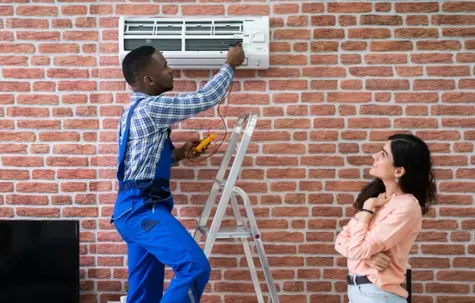
Why Every Wasatch Front Homeowner Should Know About AC Tune-Ups Before Summer
An ac tune-up for wasatch front homeowners is one of the most important steps you can take before summer heat arrives — and knowing what to look for in a reliable service can save you from a costly breakdown on the hottest day of the year.
Here is a quick overview of what matters most:
- Schedule in spring (March through May) before peak demand fills technician calendars
- Expect a full inspection covering coils, refrigerant, electrical components, and thermostat calibration
- Replace filters every 1–3 months during cooling season, more often near construction or dusty areas
- Watch for warning signs like warm air, strange noises, short cycling, or rising energy bills
- Annual maintenance protects your warranty — most manufacturers require documented service to honor claims
- Utah’s dry air, high elevation, dust, and wildfire ash put extra stress on AC systems compared to most other states
When temperatures along the Wasatch Front push into the 90s and 100s, your air conditioner becomes the hardest-working appliance in your home. Salt Lake, Davis, and Utah County homeowners face a unique combination of climate challenges — thin high-altitude air, intense UV exposure, seasonal dust, and cottonwood debris — that can quietly wear down a system that hasn’t been serviced. A neglected AC doesn’t just run less comfortably. It can consume 15 to 25 percent more electricity just to deliver the same cooling output, and it is far more likely to fail right when you need it most.
Why an AC Tune-Up for Wasatch Front Homeowners Is Essential
Living along the Wasatch Front means experiencing beautiful mountain views alongside some of the most demanding weather swings in the country. Our unique geography in Salt Lake County and Utah County presents specific environmental factors that directly impact how our air conditioners perform.
First, consider the dust and haze factor. Because of our dry desert air, dust doesn’t easily settle or get washed away by frequent rain. Instead, it hangs in the air and settles directly onto your outdoor AC condenser unit. When wildfire ash from regional summer fires or the annual flurry of cottonwood seeds—often called “Utah snow”—drifts through your neighborhood, your outdoor unit acts like a giant vacuum cleaner, pulling these particles deep into the delicate condenser fins. This debris blocks essential airflow, forcing your system to work significantly harder to cool your home.
Second, our high elevation (often exceeding 4,000 to 5,000 feet depending on whether you are in Salt Lake City, West Jordan, or Bluffdale) means the air is thinner. Thinner air is less efficient at transferring heat away from your system’s coils. Additionally, this altitude amplifies intense UV damage to exterior materials by up to 20%, which can quickly degrade exposed wiring, insulation, and plastic components on your outdoor unit.
Regular seasonal Home Maintenance is the best way to combat these local challenges. Neglecting your system accelerates wear and tear, shortening its operating life. While air conditioning systems typically last 10 to 15 years in the Wasatch Front, scheduling an annual ac tune-up for wasatch front homeowners can easily extend your system’s lifespan by an extra 3 to 5 years. More importantly, proper preventative maintenance can boost your system’s efficiency by up to 15%, keeping your monthly utility bills manageable when the summer heat peaks.
What a Professional Cooling Maintenance Visit Actually Includes
A professional air conditioning tune-up is not just a quick visual inspection or a simple filter swap. It is a highly technical, multi-point diagnostic process designed to restore your system to peak operating condition. When a certified technician arrives at your home, they will focus on several critical areas of your equipment.
First, they will perform a deep cleaning of the condenser coils. Over the course of a single Utah winter and spring, these coils collect layers of dirt, pollen, and debris. If left uncleaned, this buildup forms an insulating blanket over the coils, trapping heat inside your system and preventing it from releasing warmth outdoors.
Next, the technician will thoroughly inspect all electrical connections. Loose wires, corroded terminals, and failing capacitors are responsible for the vast majority of mid-summer system failures. Because our climate experiences dramatic temperature swings—often shifting 30 degrees or more between hot afternoons and cool mountain nights—the metal components in your electrical system constantly expand and contract, which can naturally loosen connections over time.
Finally, the technician will verify thermostat calibration and test your system’s built-in safety controls. This ensures your air conditioner cycles on and off correctly, maintaining consistent indoor comfort without wasting energy.
The Technical Checklist for an AC Tune-Up for Wasatch Front Homeowners
On a deeper level, a professional tune-up involves precise measurements that require specialized tools and licensing. Here is what a comprehensive technical checklist should include:
- Refrigerant Level and Charge Verification: Technicians check the system’s subcool and superheat levels. If refrigerant is too low, your AC will run constantly without cooling; if it is too high, it can destroy the compressor.
- Compressor and Fan Motor Amperage: Measuring the electrical draw (amps) of your compressor and blower motor helps identify if a motor is running hot or nearing the end of its life before it actually fails.
- Condensate Drain Line Clearing: Our dry air may mean less humidity, but your system still extracts moisture from your home. Technicians clear out any algae, dust, or sludge buildup in the drain line to prevent water damage to your ceilings or floors.
- Airflow and Static Pressure Testing: This ensures your blower motor is successfully pushing air through your ductwork without restriction.
Additionally, keeping your system properly maintained helps align with modern efficiency standards. Upgrading from an old SEER 10 unit to a modern 18+ SEER2 system can slash your cooling bills by 35% or more, but even the most advanced SEER2 system will lose its efficiency advantages if it is not regularly calibrated and cleaned.
DIY Tasks vs. Professional AC Tune-Up for Wasatch Front Homeowners
Many homeowners wonder what they can safely do themselves versus what requires a professional. While you should leave high-voltage electrical testing and refrigerant handling to licensed technicians, there are several crucial tasks you can manage on your own.
The single most important DIY task is managing your air filters. During the peak summer cooling season, you should check your filter every 30 days. We recommend using filters with a MERV rating between 8 and 11. These ratings provide an ideal balance of capturing dust, pollen, and pet dander without suffocating your system’s airflow. Avoid using MERV 13+ filters unless your HVAC system has been specifically designed or modified to handle them, as they can restrict airflow and cause your coils to freeze.
Additionally, make sure to maintain clear space around your outdoor unit. Keep at least two feet of clearance around your condenser by trimming back mountain scrub brush, weeds, and garden plants. When cleaning around the unit, you can gently rinse the exterior fins with a garden hose to remove loose dust. However, never use a pressure washer, as the high-pressure stream will instantly bend and ruin the delicate aluminum fins.
Here is a quick comparison of what you can handle versus what we manage during a professional visit:
| Maintenance Task | DIY (Homeowner) | Professional Technician |
|---|---|---|
| Inspect and replace air filters (every 1-3 months) | X | |
| Clear weeds, leaves, and debris around outdoor unit | X | |
| Check thermostat batteries and settings | X | |
| Clean condenser coils and remove deep debris | X | |
| Test electrical connections, capacitors, and contactors | X | |
| Measure refrigerant levels, superheat, and subcool | X | |
| Clear and flush the condensate drain line | X | |
| Measure motor amp draw and verify safety controls | X |
7 Proven Ways to Find a Reliable HVAC Contractor in Utah
With so many HVAC companies operating throughout the Salt Lake Valley, finding a trustworthy partner can feel overwhelming. To protect your home and your wallet, follow these seven proven steps:
- Look for Deep Local Roots: Choose a company with a physical presence and history in your specific community, such as Bluffdale, West Jordan, or Salt Lake City. Local companies understand how our unique high-altitude climate affects system performance.
- Check Real Customer Reviews: Look for consistent patterns in online feedback. Reliable contractors will have reviews praising their punctuality, cleanliness, and honest communication.
- Verify Proper Licensing and Insurance: Never allow anyone to work on your heating and cooling equipment without verifying they are fully licensed and insured in the state of Utah.
- Ask About NATE Certification: North American Technician Excellence (NATE) is the gold standard for HVAC technical certification. Choosing a company with NATE-certified technicians ensures your system is serviced by a true expert.
- Evaluate Their Maintenance Plans: Reputable companies offer annual maintenance programs. These programs often include priority scheduling, discounted repairs, and automatic reminders so you never miss a seasonal tune-up.
- Ensure Clear Warranty Protection: A reliable contractor will stand behind their work with robust warranties and help you maintain your manufacturer’s parts warranty through documented annual service.
- Review Their Repair vs. Replace Guidance: If your system is older, a trustworthy technician will help you navigate your options objectively. They can guide you through the “5,000 Rule” (multiplying the age of your system by the repair cost; if it exceeds $5,000, replacement is often the smarter choice) using our A-Z Guide to AC Repair vs Replace to make an informed decision.
Warning Signs Your Cooling System Needs Immediate Attention
You shouldn’t always wait for your scheduled spring appointment if your air conditioner is actively trying to tell you something is wrong. If you notice any of the following warning signs, your system needs prompt professional attention:
- Weak or Warm Airflow: If the air coming from your vents feels lukewarm or barely blows, your system is struggling. This could point to a failing compressor, a blower motor issue, or low refrigerant.
- Strange or Loud Noises: Squealing, grinding, metal-on-metal scraping, or loud banging sounds are clear indicators of mechanical wear. A loose belt, failing motor bearing, or damaged fan blade can quickly cause catastrophic damage if ignored.
- Short Cycling: If your AC turns on, runs for a couple of minutes, shuts off, and then repeats the cycle constantly, it is short-cycling. This behavior places immense strain on your compressor and spikes your energy bills.
- Musty or Burning Odors: A musty smell often indicates mold or mildew growth in your condensate pan or ductwork, while a metallic burning smell points to overheating electrical components.
- Ice on the Refrigerant Lines: Seeing frost or ice build up on your outdoor copper refrigerant lines or your indoor evaporator coil is a major red flag.
Frequently Asked Questions about Utah AC Maintenance
How often should I schedule an AC tune-up in Utah?
We recommend scheduling a professional AC tune-up once a year, ideally in the early spring before the summer heat waves arrive. If your system is older than 10 years, or if your home is located in an area with high dust, active construction, or heavy cottonwood trees, scheduling twice-yearly checks (including a fall furnace check) provides valuable extra protection.
Can Utah’s dry air cause my AC coils to freeze?
It sounds counterintuitive, but yes! While high humidity causes frozen coils in wetter climates, the main culprit in Utah is restricted airflow. Our dry desert air carries a high concentration of fine dust. When this dust clogs your air filter or coats your indoor evaporator coil, it blocks warm indoor air from passing over the cold refrigerant lines. Without that warm air to balance the temperature, the refrigerant drops below freezing, turning any small amount of ambient moisture into ice on your coils.
How do regular tune-ups protect my manufacturer warranty?
Almost all major heating and cooling manufacturers require documented annual professional maintenance to keep your warranty valid. If your system experiences a major part failure (like a cracked heat exchanger or a seized compressor) within its warranty period, the manufacturer will often ask for proof of regular maintenance before they will agree to cover the cost of the replacement part. Keeping your annual tune-up receipts is the best way to protect this valuable coverage.
Conclusion
Taking care of your home’s air conditioner shouldn’t be an afterthought. By prioritizing an annual ac tune-up for wasatch front homeowners, you protect your comfort, lower your monthly energy bills, and ensure your system is ready to handle whatever Utah’s summer climate throws its way.
At First Choice Heating & Air, we are proud to serve our neighbors throughout Bluffdale, West Jordan, Salt Lake City, and the surrounding Salt Lake and Utah Counties. As a community-focused team, we are dedicated to providing reliable, honest service backed by strong warranties and convenient maintenance plans.
Don’t wait for the first triple-digit day of summer to find out if your air conditioner is up to the task. Contact us today at First Choice Cool to schedule your professional tune-up and enjoy peace of mind all season long!