


What Utah Homeowners Need to Know Before Installing a Mini Split
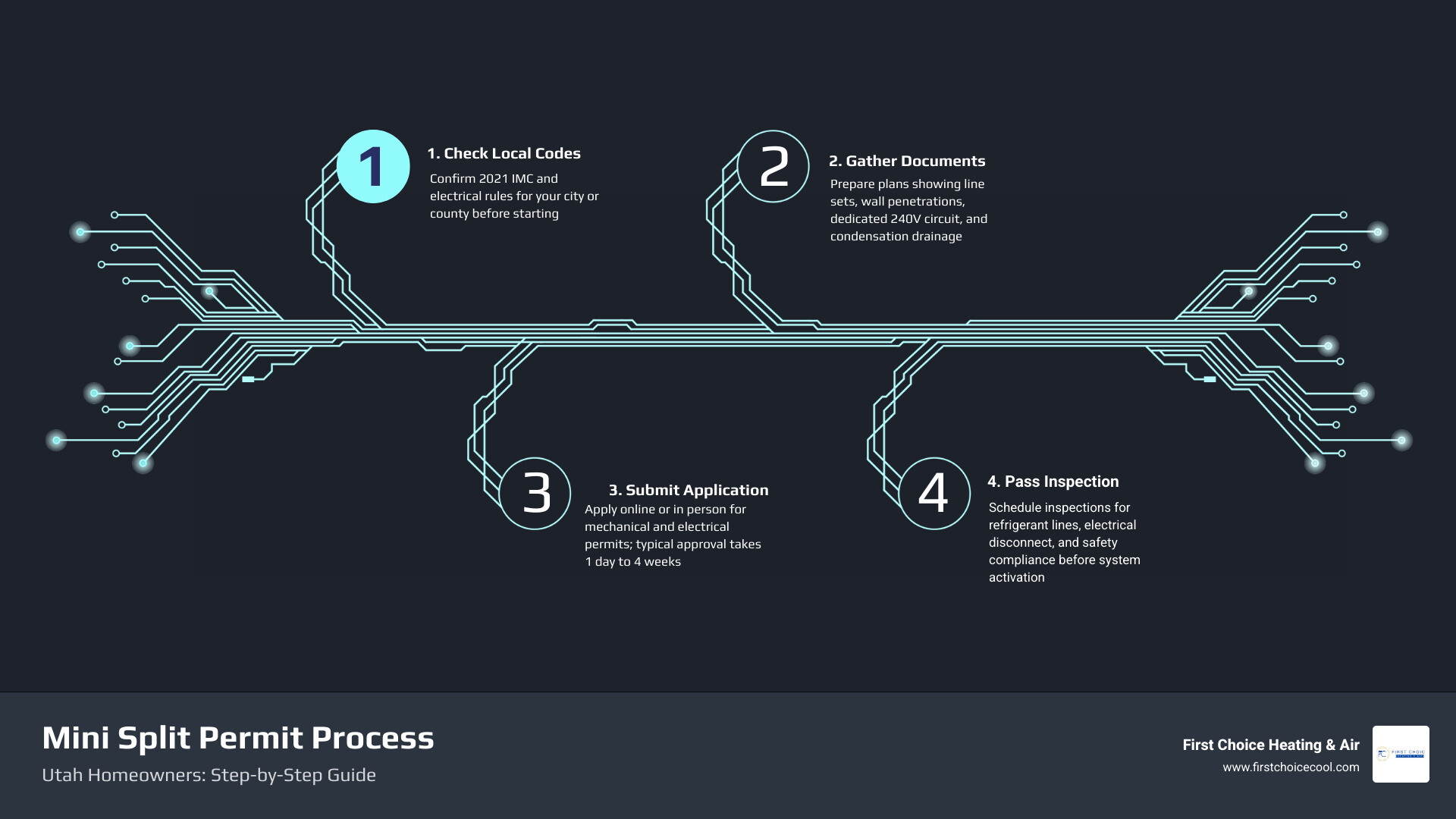
If you’re wondering do you need a permit to install a mini split in Utah, the short answer is: yes, in almost every case. Most mini split installations in Utah require at least a mechanical permit and an electrical permit before any work begins.
Quick Answer: Mini Split Permit Requirements in Utah
- Mechanical permit – Required for refrigerant line sets, wall penetrations, and drainage
- Electrical permit – Required for dedicated circuits and outdoor disconnect wiring
- Who can apply – Licensed contractors or homeowners acting as owner-builders on their primary residence
- Typical approval time – 1 business day to 4 weeks depending on your city or county
- Consequence of skipping – Stop-work orders, double fees, and property title complications
Utah has adopted the 2021 International Mechanical Code (IMC) and 2021 International Energy Conservation Code (IECC), meaning your installation must meet current safety and energy efficiency standards. Requirements vary by city and county, so what applies in Salt Lake City may differ from Provo or Herriman. Understanding these rules before you start can save you from costly surprises down the road.
Do You Need a Permit to Install a Mini Split in Utah?

When homeowners look into upgrading their home comfort, a ductless mini split system is often at the top of the list. They are incredibly energy-efficient, offer precise zoning control, and don’t require massive runs of ductwork. However, because these systems are permanently integrated into your home’s structural, mechanical, and electrical frameworks, local building departments in Utah require permits to oversee the installation.
Permits are not just administrative hoops to jump through or minor revenue generators for local municipalities. They exist to protect your household. When answering the question, “do you need a permit to install a mini split in Utah,” we must look at the physical changes happening to your property:
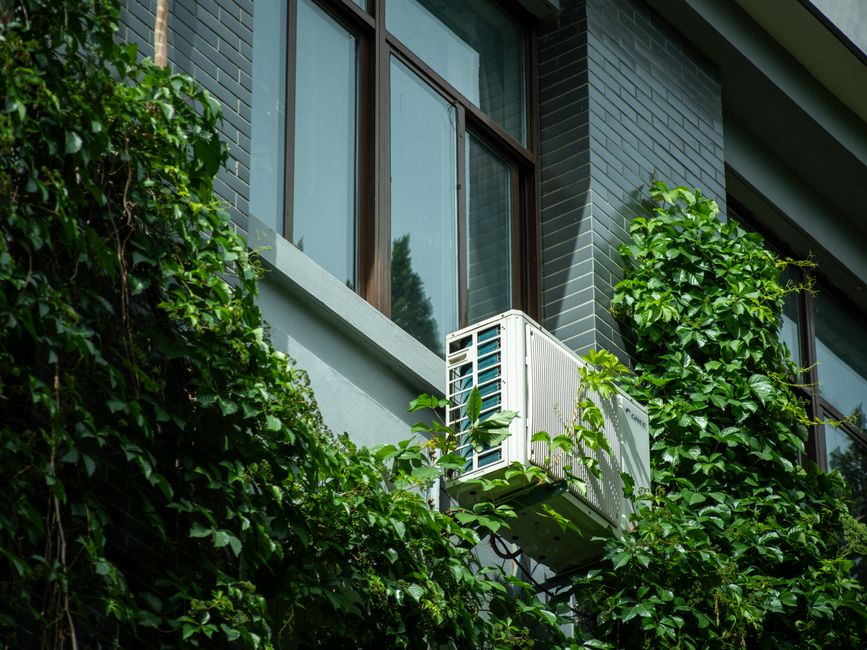
- Structural Changes: Installing a mini split requires drilling a hole (typically three inches in diameter) through your home’s exterior wall to connect the indoor air handler to the outdoor condenser. This penetration must be properly sealed to prevent water intrusion, drafts, and pests, and to maintain the home’s structural integrity.
- Electrical Demands: Mini splits operate on high-voltage electricity (usually a dedicated 240-volt circuit). Working with high-voltage lines carries inherent risks of electrical shock and fire if not wired to match the National Electrical Code (NEC).
- Refrigerant Management: These systems rely on pressurized chemical refrigerants to transfer heat. Improper handling can lead to environmental hazards, system failure, or toxic leaks inside your living space.
By requiring a permit, your local building department ensures that a qualified inspector reviews the work to guarantee it meets the strict safety standards set by the state of Utah.
Do You Need a Permit to Install a Mini Split in Utah as a Homeowner?
If you plan to tackle this project yourself, you might wonder if the rules are different for homeowners compared to professional contractors. In Utah, the State Construction Code allows for an Owner-Builder Exemption.
Under this exemption, you can pull your own mechanical and electrical permits if:
- The property is your primary, owner-occupied residence.
- You are personally performing the work or supervising immediate family members doing the work.
- The property is not a rental unit, a commercial building, or a home intended for immediate resale.
While this exemption gives you the legal right to pull the permit yourself, it also transfers 100% of the legal and financial liability to your shoulders. If the installation fails to meet the 2021 International Mechanical Code (IMC) or local electrical standards, you are solely responsible for fixing the mistakes out of pocket until it passes inspection. Additionally, for rental properties or commercial spaces in cities like Salt Lake City or West Jordan, Utah state law strictly mandates that only a licensed HVAC contractor can pull the necessary permits and execute the work.
Can You Do a DIY Mini Split Installation in Utah?
With the rise of “DIY-friendly” mini split kits featuring pre-charged refrigerant line sets, many homeowners assume they can bypass professional installation entirely. While these kits make physical placement easier, they do not exempt you from local permitting laws or federal regulations.
The biggest hurdle for a complete DIY installation is EPA Section 608 Certification. Under federal law, only technicians certified by the Environmental Protection Agency (EPA) are permitted to handle, charge, or release refrigerants. While pre-charged lines are designed to limit refrigerant exposure, any troubleshooting, pressure testing, or line adjustments that require opening the refrigerant circuit legally demand a certified professional.
Furthermore, skipping a professional installation can have severe consequences for your equipment’s longevity. Almost all major ductless manufacturers explicitly state in their warranty terms that the system’s warranty is voided unless it is installed and commissioned by a licensed HVAC professional. If a compressor fails six months down the road, you could be left buying a brand-new unit with zero financial recourse.
Types of Permits Required for Utah Ductless Installations
To legally install a ductless mini split system in Utah, you cannot simply apply for a generic “building permit.” Instead, you must secure specific trade permits that address the different technical components of the job. Ensuring your home is safe and comfortable is a core part of regular Home Maintenance, and navigating these permits correctly is the first step.
Mechanical Permits
The mechanical permit is the foundation of any HVAC installation in Utah. This permit ensures compliance with the 2021 International Mechanical Code (IMC) and covers the physical heating and cooling components of the mini split:
- Line Set Routing: The refrigerant lines connecting the indoor and outdoor units must be properly routed, supported, and insulated to prevent energy loss and condensation.
- Wall Penetrations: The hole drilled through your home’s exterior must be sealed with approved, weather-resistant, and fire-rated materials to protect your home from moisture damage and air leaks.
- Condensate Drainage: Mini splits pull moisture out of the air as they cool. This condensation must drain safely away from your home’s foundation. The mechanical inspector will verify that the drain lines are sloped correctly and terminate in an approved location to prevent mold and water damage.
Electrical Permits
Because mini splits require a dedicated power source, you must also obtain an electrical permit. This work is governed by the National Electrical Code (NEC) Article 440, which specifically deals with air conditioning and refrigerating equipment.
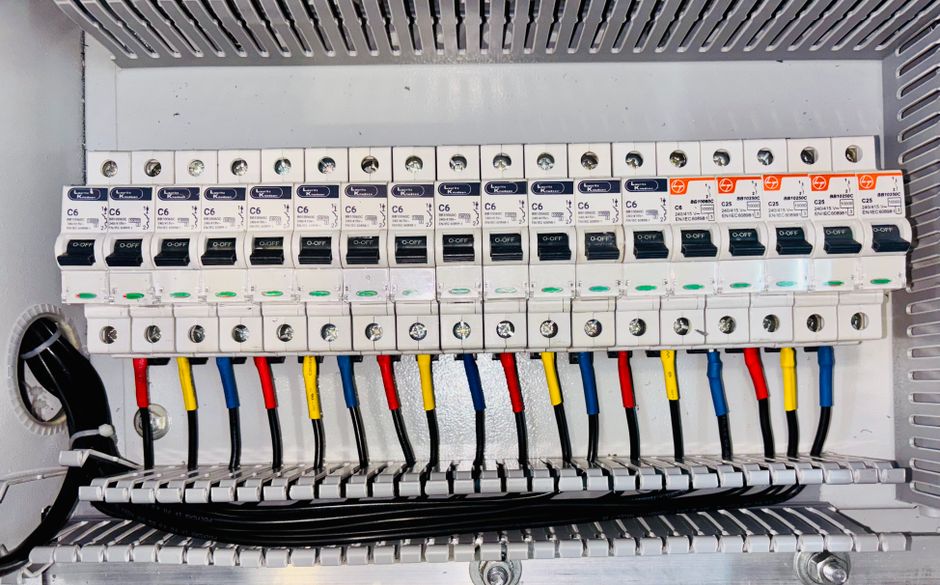
- Dedicated Circuit: Most residential mini splits require a dedicated 240-volt circuit run directly from your main electrical panel. The inspector will check that the wire gauge and breaker size match the manufacturer’s exact specifications.
- Outdoor Disconnect Box: The NEC requires a lockable, weatherproof electrical disconnect switch mounted on the exterior wall within sight of the outdoor condenser. This allows technicians to safely cut power to the unit during maintenance.
- Panel Load Calculation: Before adding a new high-voltage circuit, your electrical panel must have the capacity to handle the added load. If your home has an older 100-amp panel, you may need a panel upgrade before the permit can be approved.
Local Variations: How Permitting Differs Across Utah Cities and Counties
While the state of Utah establishes baseline building codes, the actual enforcement, application process, and timelines are entirely controlled by local city and county building departments. This means the permitting experience can vary significantly depending on where you live.
| Utah Jurisdiction | Online Portal Available? | Typical Processing Time | Key Local Focus Areas |
|---|---|---|---|
| Salt Lake City | Yes (Citizen Access Portal) | 1 to 14 business days | Historic district guidelines, strict aesthetic rules for outdoor units |
| Bluffdale | Yes | 1 to 5 business days | Setback requirements, property line clearances, fast-tracked residential reviews |
| West Jordan | Yes | 3 to 7 business days | Standard IMC & NEC enforcement, online submittals |
| Utah County (Unincorporated) | Yes | 2 to 4 weeks | Elevation derating checks, snow load considerations for outdoor pads |
| Provo | Yes | 7 to 14 business days | HOA compliance verification, noise ordinances for exterior condensers |
Salt Lake County and Bluffdale Regulations
In Salt Lake County and local municipalities like Bluffdale and West Jordan, building departments have streamlined their processes by utilizing digital permit portals.
In Bluffdale, the building department is highly accessible, often reviewing residential mechanical and electrical permits within a few business days. They pay close attention to property setbacks—ensuring your outdoor condenser unit is not placed too close to your neighbor’s property line or blocking a public right-of-way.
In Salt Lake City, the Building Services department enforces strict zoning ordinances. If your home is located in one of Salt Lake City’s designated historic districts, any exterior modifications—including the placement of an outdoor condenser unit or the routing of plastic line-set covers on the side of your house—must first be reviewed and approved by the Historic Landmark Commission. Skipping this step can lead to immediate fines and a mandate to relocate the equipment.
Utah County and Provo Requirements
Moving south into Utah County, the permitting landscape shifts slightly. Due to rapid population growth, building departments in Utah County can experience higher application volumes, leading to longer processing times of up to two to four weeks for residential permits.
In Provo, the building department actively enforces local noise ordinances. Outdoor condenser units must not exceed specific decibel limits at the property line, especially during nighttime hours. Additionally, if you live in a master-planned community or an area governed by a Homeowners Association (HOA) in Provo, the city often requires proof of HOA architectural approval before they will issue a mechanical permit.
The Risks of Installing a Mini Split Without a Permit
It can be tempting to bypass the permitting process to save time or avoid administrative paperwork. However, installing a mini split without the proper permits carries massive financial and legal risks that far outweigh the temporary convenience.
If a local code enforcement officer notices an unpermitted outdoor condenser unit, they can issue an immediate Stop-Work Order. This halts all installation progress. To resolve it, you will be forced to apply for an “after-the-fact” permit, which almost always carries double the standard application fees as a penalty.
Furthermore, if the unpermitted work is discovered later—often during a home inspection when you attempt to sell your property—the consequences multiply:
- Property Title Complications: The city can file a Certificate of Non-Compliance against your property title. This public record alerts future buyers and lenders that the home has unresolved code violations, which can completely stall or ruin a home sale.
- Insurance Denials: If an unpermitted electrical connection overheats and causes a fire, or if a faulty condensate drain floods your finished basement, your homeowner’s insurance policy may completely deny the claim because the work was performed illegally without municipal oversight.
- Safety Hazards: An improperly sized electrical breaker or a poorly sealed wall penetration can lead to carbon monoxide backdrafting (if venting for other gas appliances is disrupted), mold growth, or electrical fires.
To learn more about when it makes sense to repair an existing system versus investing in a fully permitted replacement, check out our A-Z Guide to AC Repair vs Replace.
Frequently Asked Questions About Utah Mini Split Permits
How long does it take to get a permit for a mini split in Utah?
The timeline for permit approval depends heavily on your local municipality and how you submit the application. In cities like Bluffdale or Salt Lake City, simple over-the-counter mechanical and electrical permits submitted online can be approved in 1 to 3 business days. However, in larger county jurisdictions or during the peak summer building season, plan reviews can take anywhere from 1 to 4 weeks. Working with a professional who submits accurate technical drawings and load calculations is the best way to speed up this process.
Do you need a permit to install a mini split in Utah if it is a single-zone system?
Yes. Even a small, single-zone mini split requires both mechanical and electrical permits. The size of the system does not change the fact that you are running new high-voltage electrical lines, making structural penetrations through exterior walls, and handling pressurized chemical refrigerants. There are no size or zone exemptions under the Utah State Building Code for permanent HVAC installations.
Does an HOA have to approve my ductless mini split?
While a Homeowners Association (HOA) cannot legally override state safety and building codes, they absolutely have the authority to enforce aesthetic guidelines. HOAs frequently have strict rules regarding where outdoor condensers can be placed (e.g., hidden from street view), the color and placement of line-set covers, and maximum noise levels. Always secure written approval from your HOA’s architectural committee before applying for your city permits.
Conclusion
Navigating building codes, zoning laws, and electrical standards can feel overwhelming, but keeping your home safe and legally compliant is non-negotiable. When you ask, do you need a permit to install a mini split in Utah, the answer is a clear yes—and the safest, most stress-free way to handle it is to partner with a trusted local professional.
At First Choice Heating & Air, based right here in Bluffdale, UT, we take the hassle out of the permitting process. Our experienced team serves homeowners throughout Salt Lake County and Utah County, including Salt Lake City and West Jordan. We handle everything from initial system sizing and load calculations to pulling the required municipal permits and ensuring your system passes local inspections with flying colors.
Protect your home, preserve your manufacturer’s warranty, and enjoy year-round comfort with a professionally installed ductless system. Contact First Choice Heating & Air today to schedule your consultation!